
Winter Tree Care Tips for Healthy Growth
- contact724705
- Sep 29, 2025
- 4 min read
As the cold months approach, it’s important to think about how to care for your trees during winter. Trees face many challenges in the colder season, from freezing temperatures to drying winds. Taking the right steps now can help your trees stay healthy and strong, ready to thrive when spring arrives. I’m excited to share some practical and easy-to-follow winter tree protection strategies that will keep your landscape looking its best all year round.
Understanding Winter Tree Protection Strategies
Winter can be tough on trees. The cold weather slows down their growth, and harsh conditions can cause damage to bark, branches, and roots. That’s why winter tree protection strategies are essential. These strategies help minimize stress and prevent injury caused by frost, ice, and snow.
One key approach is to reduce water loss. During winter, trees can lose moisture through their bark and needles, especially when the ground is frozen and roots can’t absorb water. Wrapping trunks or applying mulch around the base helps retain moisture and insulates roots from freezing temperatures.
Another important strategy is pruning. Removing dead or weak branches before winter reduces the risk of breakage under heavy snow or ice. It also improves air circulation, which helps prevent fungal diseases.
Finally, protecting trees from wildlife damage is crucial. Deer and rabbits often feed on bark and twigs during winter when food is scarce. Using tree guards or fencing can keep your trees safe from these hungry visitors.

Essential Winter Tree Protection Strategies You Can Use
Let’s dive into some specific winter tree protection strategies you can apply to your property. These tips are straightforward and effective, whether you have young saplings or mature trees.
Mulching
Apply a 2-4 inch layer of organic mulch around the base of your trees. Mulch acts as insulation, keeping soil temperatures more stable and protecting roots from freezing. Be sure to keep mulch a few inches away from the trunk to prevent rot.
Watering Before the Freeze
Trees need water even in winter. Before the ground freezes, give your trees a deep watering. This helps them stay hydrated through the dry winter months.
Wrapping Tree Trunks
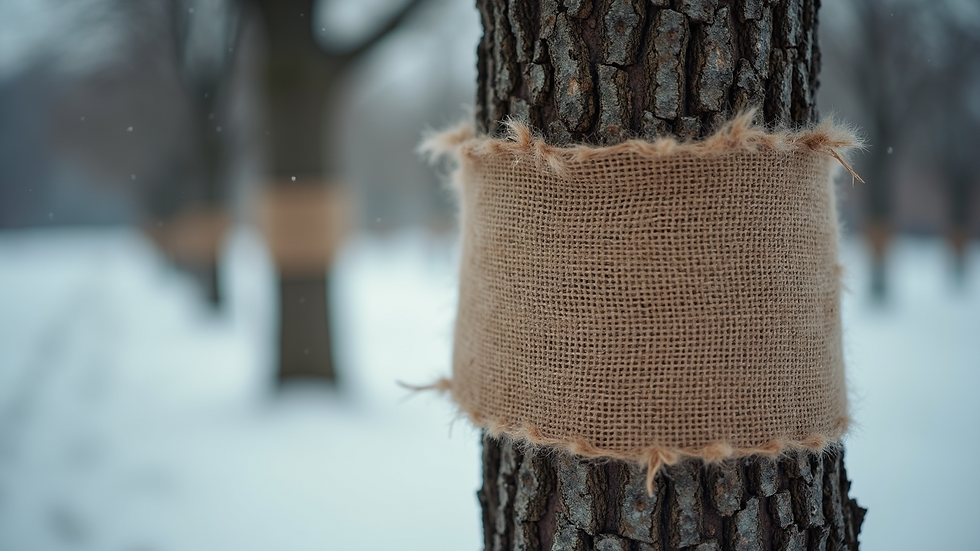
Use tree wrap or burlap to protect young or thin-barked trees from sunscald and frost cracks. Wrapping also deters animals from chewing on the bark.
Pruning Dead Branches
Trim away any dead, damaged, or diseased branches. This reduces the chance of breakage and keeps your tree healthy.
Protecting from Wildlife
Install tree guards or fencing around vulnerable trees to prevent damage from deer and rodents.
Avoid Salt Damage
If you use salt to melt ice on nearby walkways or driveways, be cautious. Salt can harm tree roots and soil health. Use alternatives like sand or kitty litter for traction.
By following these strategies, you’ll give your trees the best chance to survive winter’s challenges and emerge healthy in spring.

When Should You Wrap Your Trees for the Winter?
Knowing the right time to wrap your trees is just as important as the wrapping itself. Generally, you want to wrap trees after the leaves have fallen but before the first hard freeze. This timing helps protect the bark from temperature fluctuations and sunscald.
In Tabernacle, NJ, the first hard freeze usually happens in late October or early November. Wrapping too early can trap moisture and encourage mold, while wrapping too late leaves your trees vulnerable.
For young trees or those with thin bark, wrapping is especially beneficial. You can use commercial tree wraps or natural burlap. Wrap the trunk snugly but not too tight, starting from the base and going up to the lowest branches.
Remember to remove the wrap in early spring once the risk of frost has passed. Leaving wraps on too long can cause damage by trapping moisture and pests.
Additional Tips for Winter Tree Care Success
Winter tree care doesn’t stop at wrapping and mulching. Here are some extra tips to keep in mind:
Inspect Trees Regularly
Check your trees throughout winter for signs of damage or stress. Look for broken branches, cracks in the bark, or animal damage.
Avoid Heavy Snow Buildup
Gently brush off heavy snow from branches to prevent breakage. Use a broom and sweep upward to avoid damaging the limbs.
Plan for Spring Care
Winter is a great time to plan your spring tree care. Consider scheduling a professional inspection or pruning service to keep your trees in top shape.
Use Proper Tools
When pruning or wrapping, use clean, sharp tools to avoid injuring your trees.
By staying proactive and attentive, you’ll help your trees weather winter safely and grow strong in the months ahead.
Why Winter Tree Care Matters for Your Property
Taking care of your trees during winter is an investment in your property’s beauty and value. Healthy trees improve curb appeal, provide shade, and support local wildlife. Neglecting winter care can lead to costly damage, such as broken branches or disease.
By applying these winter tree protection strategies, you’re not only preserving your trees but also enhancing your outdoor space for years to come. Plus, well-maintained trees contribute to a healthier environment by improving air quality and reducing soil erosion.
If you want to learn more about how to care for your trees during the colder months, check out these winter tree care tips. They offer expert advice tailored to our local climate and conditions.
Winter may seem harsh, but with the right care, your trees can thrive through it. I hope these tips inspire you to take action and enjoy a vibrant, healthy landscape all year long. Happy tree caring!


Comments